" width="129.49259879546406px"><path d="M 0 0 L 129.493 0 L 129.493 36.827 L 0 36.827 Z" fill="transparent" height="36.8271491914383px" id="gdycWXgGU" transform="translate(0 0)" width="129.49258485208733px"/><path d="M 2.588 10.852 L 0 16.519 L 14.67 16.519 L 12.079 10.852 Z M 7.329 0 L 4.172 6.919 L 10.486 6.919 Z" fill="rgb(57, 71, 98)" height="16.519413121481364px" id="HHiXwo6Kh" transform="translate(10.369 12.352)" width="14.670351757197608px"/><path d="M 32.144 0 L 3.138 0 C 1.405 0 0 1.405 0 3.138 L 0 33.689 C -0.001 34.522 0.329 35.321 0.918 35.911 C 1.506 36.5 2.305 36.831 3.138 36.831 L 32.144 36.831 C 33.878 36.831 35.283 35.426 35.283 33.693 L 35.283 3.138 C 35.283 1.405 33.878 0 32.144 0 Z M 31.276 32.785 L 3.993 32.785 L 8.424 23.136 L 4.004 23.136 L 5.654 19.336 L 10.164 19.336 L 17.694 2.913 L 25.163 19.336 L 29.647 19.336 L 31.282 23.136 L 26.885 23.136 Z M 42.356 10.442 L 42.356 17.153 L 39.063 17.153 L 39.063 0.284 L 44.571 0.284 C 46.234 0.284 47.538 0.722 48.485 1.599 C 49.432 2.476 49.906 3.697 49.906 5.262 C 49.927 6.061 49.722 6.851 49.314 7.539 C 48.896 8.205 48.298 8.738 47.589 9.076 C 48.377 9.31 49.048 9.832 49.468 10.538 C 49.857 11.218 50.032 12.058 50.032 13.079 L 50.032 14.274 C 50.036 14.775 50.09 15.274 50.193 15.764 C 50.302 16.294 50.49 16.679 50.757 16.918 L 50.757 17.156 L 47.354 17.156 C 47.083 16.906 46.914 16.504 46.845 15.95 C 46.775 15.385 46.74 14.815 46.74 14.246 L 46.74 13.094 C 46.74 12.249 46.568 11.596 46.225 11.134 C 45.879 10.67 45.324 10.408 44.746 10.437 Z M 42.356 7.812 L 44.56 7.812 C 45.232 7.812 45.742 7.609 46.091 7.197 C 46.441 6.786 46.612 6.201 46.612 5.449 C 46.612 4.698 46.439 4.061 46.091 3.604 C 45.727 3.142 45.159 2.886 44.571 2.92 L 42.356 2.92 Z M 61.836 9.747 L 56.165 9.747 L 56.165 14.522 L 62.834 14.522 L 62.834 17.153 L 52.86 17.153 L 52.86 0.272 L 62.81 0.272 L 62.81 2.903 L 56.165 2.903 L 56.165 7.112 L 61.836 7.112 Z M 68.043 14.522 L 74.212 14.522 L 74.212 17.153 L 64.738 17.153 L 64.738 0.272 L 68.043 0.272 Z M 79.126 17.153 L 75.845 17.153 L 75.845 0.272 L 79.126 0.272 Z M 89.668 13.55 L 85.215 13.55 L 84.311 17.153 L 80.99 17.153 L 85.735 0.272 L 89.168 0.272 L 93.913 17.153 L 90.585 17.153 Z M 85.887 10.92 L 88.996 10.92 L 87.477 4.938 L 87.408 4.938 Z M 95.599 17.153 L 95.599 0.272 L 100.58 0.272 C 102.32 0.272 103.679 0.659 104.656 1.432 C 105.633 2.205 106.122 3.356 106.124 4.886 C 106.137 5.634 105.953 6.372 105.59 7.026 C 105.225 7.656 104.662 8.147 103.989 8.424 C 104.806 8.582 105.521 9.074 105.96 9.781 C 106.397 10.52 106.618 11.366 106.599 12.224 C 106.599 13.84 106.137 15.065 105.212 15.899 C 104.288 16.734 102.962 17.151 101.236 17.151 Z M 98.904 7.4 L 100.721 7.4 C 101.394 7.387 101.909 7.193 102.268 6.817 C 102.627 6.442 102.805 5.9 102.807 5.196 C 102.807 4.405 102.619 3.826 102.243 3.458 C 101.868 3.089 101.312 2.905 100.577 2.905 L 98.906 2.905 Z M 98.904 9.708 L 98.904 14.522 L 101.236 14.522 C 101.931 14.522 102.45 14.334 102.796 13.941 C 103.142 13.549 103.311 12.979 103.311 12.214 C 103.311 11.41 103.164 10.791 102.871 10.358 C 102.578 9.924 102.106 9.708 101.456 9.709 Z M 111.703 14.522 L 117.868 14.522 L 117.868 17.153 L 108.397 17.153 L 108.397 0.272 L 111.703 0.272 Z M 128.495 9.747 L 122.824 9.747 L 122.824 14.522 L 129.493 14.522 L 129.493 17.153 L 119.513 17.153 L 119.513 0.272 L 129.472 0.272 L 129.472 2.903 L 122.824 2.903 L 122.824 7.112 L 128.495 7.112 Z M 42.213 29.899 L 42.213 36.32 L 39.063 36.32 L 39.063 20.182 L 44.325 20.182 C 45.915 20.182 47.162 20.601 48.068 21.441 C 48.974 22.28 49.425 23.446 49.421 24.94 C 49.443 25.705 49.248 26.461 48.857 27.12 C 48.456 27.751 47.884 28.257 47.207 28.578 C 47.96 28.8 48.6 29.3 48.998 29.976 C 49.374 30.628 49.547 31.44 49.547 32.419 L 49.547 33.561 C 49.551 34.04 49.603 34.517 49.703 34.986 C 49.76 35.403 49.951 35.79 50.246 36.091 L 50.246 36.32 L 46.995 36.32 C 46.736 36.083 46.573 35.698 46.507 35.166 C 46.439 34.625 46.405 34.08 46.407 33.535 L 46.407 32.438 C 46.407 31.631 46.242 31.004 45.913 30.558 C 45.75 30.34 45.535 30.165 45.289 30.048 C 45.042 29.932 44.77 29.879 44.498 29.893 Z M 42.213 27.381 L 44.321 27.381 C 44.964 27.381 45.452 27.185 45.785 26.793 C 46.118 26.4 46.285 25.842 46.285 25.118 C 46.285 24.378 46.118 23.79 45.785 23.354 C 45.437 22.911 44.895 22.666 44.332 22.7 L 42.213 22.7 Z M 62.635 30.519 C 62.635 32.413 62.122 33.893 61.094 34.957 C 60.067 36.022 58.697 36.555 56.985 36.555 C 55.277 36.555 53.913 36.022 52.892 34.957 C 51.871 33.893 51.361 32.413 51.362 30.519 L 51.362 25.994 C 51.362 24.115 51.872 22.634 52.892 21.552 C 53.912 20.469 55.276 19.931 56.985 19.938 C 58.686 19.938 60.054 20.476 61.089 21.552 C 62.123 22.628 62.641 24.109 62.641 25.994 Z M 59.497 25.96 C 59.497 24.803 59.282 23.929 58.852 23.341 C 58.423 22.752 57.796 22.457 56.973 22.456 C 56.144 22.456 55.523 22.749 55.109 23.335 C 54.696 23.921 54.489 24.798 54.487 25.966 L 54.487 30.526 C 54.487 31.699 54.698 32.576 55.12 33.157 C 55.543 33.738 56.163 34.032 56.983 34.037 C 57.797 34.037 58.418 33.743 58.847 33.157 C 59.275 32.571 59.49 31.694 59.491 30.526 Z M 64.689 36.32 L 64.689 20.171 L 69.449 20.171 C 71.112 20.171 72.412 20.54 73.346 21.279 C 74.281 22.018 74.749 23.12 74.75 24.585 C 74.764 25.3 74.589 26.006 74.241 26.631 C 73.892 27.234 73.353 27.704 72.709 27.969 C 73.488 28.122 74.169 28.591 74.588 29.266 C 75.011 29.972 75.227 30.783 75.212 31.607 C 75.212 33.154 74.77 34.326 73.887 35.123 C 73.004 35.92 71.734 36.318 70.078 36.32 Z M 67.852 26.99 L 69.592 26.99 C 70.236 26.975 70.729 26.789 71.072 26.426 C 71.416 26.064 71.595 25.556 71.595 24.876 C 71.595 24.124 71.417 23.57 71.061 23.213 C 70.708 22.861 70.17 22.685 69.454 22.685 L 67.857 22.685 Z M 67.852 29.198 L 67.852 33.802 L 70.08 33.802 C 70.745 33.802 71.243 33.614 71.572 33.238 C 71.901 32.862 72.066 32.317 72.066 31.584 C 72.066 30.816 71.926 30.226 71.644 29.81 C 71.362 29.395 70.911 29.188 70.291 29.188 Z M 88.178 30.519 C 88.178 32.413 87.664 33.893 86.635 34.957 C 85.607 36.022 84.239 36.555 82.531 36.555 C 80.824 36.555 79.459 36.022 78.439 34.957 C 77.418 33.893 76.906 32.413 76.903 30.519 L 76.903 25.994 C 76.903 24.115 77.414 22.634 78.435 21.552 C 79.456 20.469 80.816 19.931 82.516 19.938 C 84.217 19.938 85.585 20.476 86.62 21.552 C 87.655 22.628 88.174 24.109 88.178 25.994 Z M 85.038 25.96 C 85.038 24.803 84.824 23.929 84.395 23.341 C 83.967 22.752 83.341 22.457 82.516 22.456 C 81.687 22.456 81.066 22.749 80.654 23.335 C 80.242 23.921 80.035 24.798 80.032 25.966 L 80.032 30.526 C 80.032 31.699 80.243 32.576 80.663 33.157 C 81.084 33.738 81.706 34.032 82.528 34.037 C 83.341 34.037 83.962 33.743 84.392 33.157 C 84.821 32.571 85.036 31.694 85.034 30.526 Z M 99.428 22.689 L 95.79 22.689 L 95.79 36.32 L 92.641 36.32 L 92.641 22.689 L 89.024 22.689 L 89.024 20.171 L 99.428 20.171 Z M 104.442 36.32 L 101.304 36.32 L 101.304 20.171 L 104.442 20.171 Z M 117.188 31.118 L 117.22 31.186 C 117.235 32.96 116.814 34.298 115.955 35.202 C 115.097 36.105 113.833 36.556 112.163 36.555 C 110.491 36.555 109.156 36.042 108.159 35.018 C 107.162 33.993 106.661 32.541 106.656 30.664 L 106.656 25.838 C 106.656 23.968 107.138 22.516 108.102 21.484 C 109.067 20.452 110.359 19.936 111.979 19.938 C 113.695 19.938 114.991 20.396 115.867 21.313 C 116.743 22.23 117.196 23.587 117.226 25.383 L 117.194 25.451 L 114.159 25.451 C 114.204 24.389 114.06 23.624 113.727 23.156 C 113.394 22.689 112.813 22.456 111.985 22.456 C 111.332 22.426 110.713 22.742 110.354 23.288 C 109.978 23.844 109.79 24.684 109.79 25.808 L 109.79 30.66 C 109.79 31.8 109.992 32.648 110.395 33.204 C 110.799 33.768 111.387 34.037 112.165 34.037 C 112.943 34.037 113.456 33.817 113.757 33.377 C 114.057 32.937 114.187 32.184 114.149 31.122 Z M 126.341 32.107 C 126.371 31.566 126.197 31.033 125.853 30.615 C 125.527 30.249 124.954 29.888 124.133 29.532 C 122.455 28.949 121.196 28.285 120.356 27.542 C 119.517 26.8 119.097 25.762 119.097 24.429 C 119.062 23.183 119.603 21.99 120.563 21.195 C 121.538 20.363 122.784 19.947 124.301 19.947 C 125.838 19.947 127.087 20.411 128.049 21.339 C 129.004 22.25 129.515 23.532 129.447 24.85 L 129.425 24.915 L 126.364 24.915 C 126.39 24.269 126.191 23.634 125.8 23.119 C 124.993 22.251 123.636 22.199 122.765 23.002 C 122.41 23.395 122.221 23.911 122.239 24.44 C 122.226 24.945 122.442 25.429 122.827 25.755 C 123.218 26.1 123.898 26.483 124.868 26.903 C 126.399 27.422 127.551 28.078 128.324 28.873 C 129.097 29.667 129.483 30.741 129.483 32.096 C 129.483 33.494 129.017 34.588 128.085 35.378 C 127.153 36.169 125.914 36.565 124.368 36.566 C 122.919 36.596 121.504 36.119 120.369 35.217 C 119.242 34.319 118.697 33.03 118.735 31.351 L 118.755 31.286 L 121.828 31.286 C 121.828 32.288 122.039 33.005 122.461 33.437 C 122.883 33.869 123.519 34.087 124.368 34.091 C 125.033 34.091 125.527 33.914 125.849 33.559 C 126.193 33.156 126.369 32.636 126.341 32.107 Z" fill="rgb(57, 71, 98)" height="36.830907470168086px" id="xGDQ1XBw0" transform="translate(0 0)" width="129.49259879546378px"/></g></svg>)
Reliable Robotics Testimony to Committee on Transportation & Infrastructure Hearing - America Builds: The State of the Advanced Air Mobility (AAM) Industry
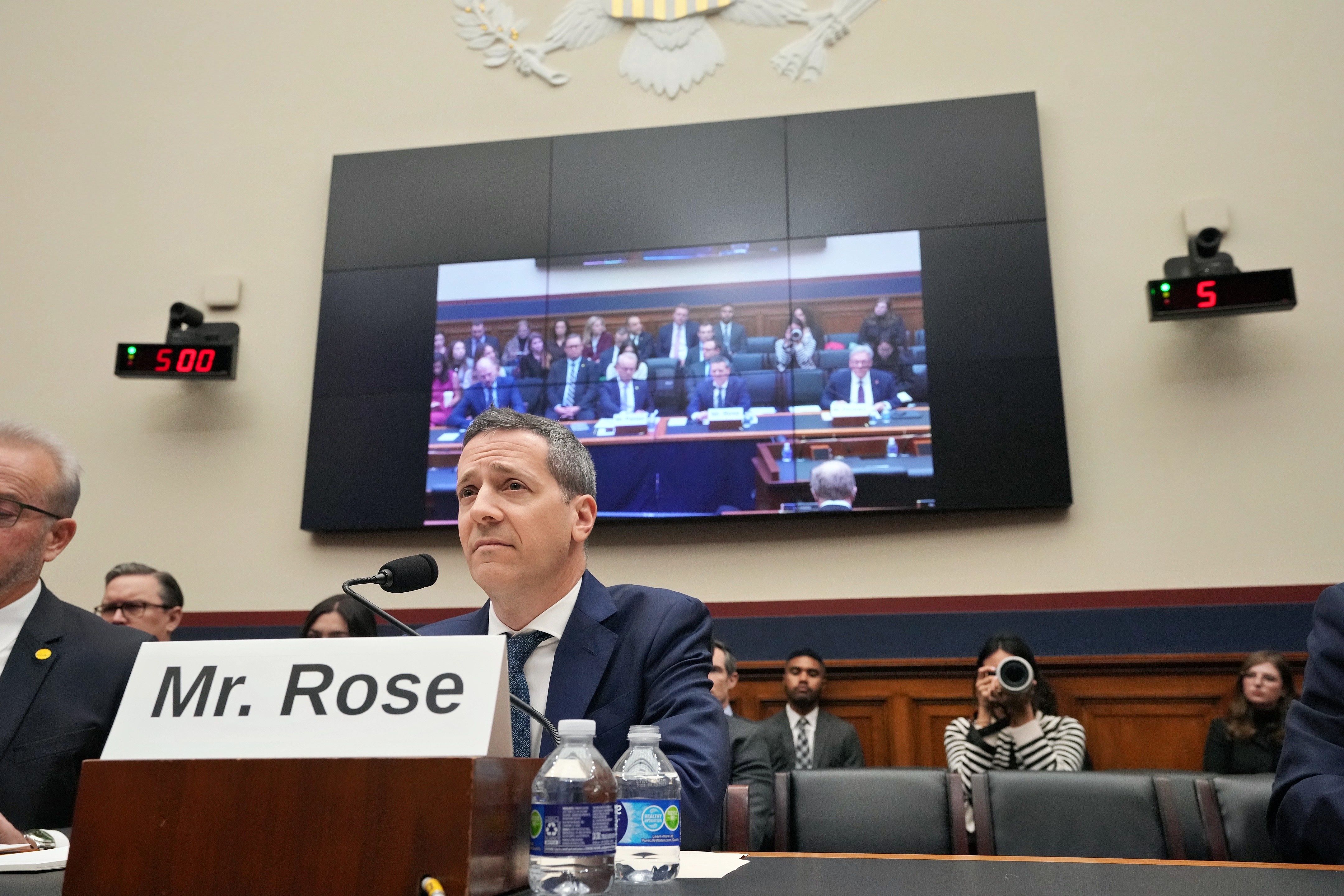
Full written testimony of submitted to the United States House of Representatives, Committee on Transportation & Infrastructure, Subcommittee on Aviation. America Builds: The State of the Advanced Air Mobility (AAM) Industry.
Chairman Nehls, Ranking Member Carson, and members of the House Transportation & Infrastructure Committee, Subcommittee on Aviation:
Thank you for holding today’s hearing to review how Congress can continue supporting innovation to enhance United States leadership in aviation safety. Through passage of the FAA Reauthorization Act of 2024, and the historic investment in air traffic control (ATC) modernization, this hearing offers a unique opportunity to discuss how we maximize these developments to eliminate accidents and accelerate innovation. My testimony will focus on the historic advancements in aviation safety-enhancing technologies that are here today and ready to be integrated into the National Airspace System (NAS). These technologies will prevent aircraft accidents and create a safer NAS for all users. Reliable Robotics is proud to be producing and certifying safety-enhancing products in the United States, and we appreciate the significant bipartisan efforts to complete FAA reauthorization. Our nation’s leadership role in aviation is not guaranteed, and the focus throughout the FAA reauthorization bill on accelerating advanced air mobility (AAM), including aircraft autonomy, provides a forward-looking flight plan for the Federal Aviation Administration (FAA). Thank you for your commitment to public service and for including Reliable Robotics in this hearing.
Given the timing of today’s hearing, I would like to recognize the significant efforts and personal sacrifices of all government employees, including air traffic controllers and those performing safety-critical functions at the FAA during the recent government shutdown. Reliable appreciates and supports the recent bipartisan efforts to introduce the Aviation Funding Solvency Act, which would ensure that during any future shutdowns, the NAS continues to operate safely, and the dedicated professionals who manage our nation’s airspace continue to be paid. Certainty in the operations and funding of government are crucial to companies such as Reliable, and have a direct impact on United States leadership.
Reliable Robotics was founded in 2017 to develop and bring to market aviation safety-enhancing technologies, including auto-land, auto-taxi, auto-take off, automated collision avoidance, in the air and on the ground, fully automated contingency management and full aircraft autonomy. These technologies will prevent the most common causes of fatal aviation accidents and save lives. For the commercial aviation market the Reliable Autonomy System (RAS) will enable FAA-certified remotely piloted air cargo operations which will expand service to small towns and rural communities. The RAS also includes sophisticated collision avoidance technology, made possible by our in-house developed phased array radar that will provide significant safety benefits to all NAS users.
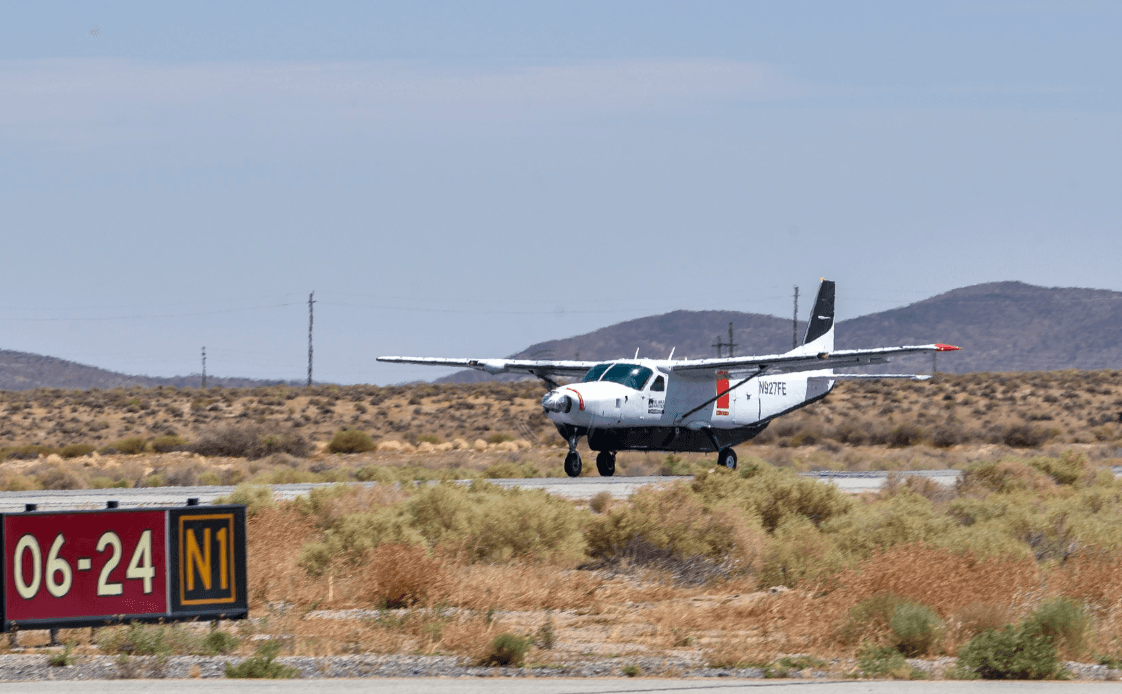
Thanks to the FAA’s dedication and the leadership of Administrator Bedford and Deputy Administrator Rocheleau, we are making significant progress on bringing certified autonomy to the Cessna 208 Caravan and will deliver transformational safety benefits in the very near future. The agency has agreed to the certification basis, detailed plans and means of compliance for our project, and members of the FAA and Reliable teams are working together on a near-daily basis. The Caravan is an 8,000-pound turboprop that is manufactured by Textron Aviation in Independence, Kansas. More than 3,000 Caravans have been delivered. This aircraft is how small communities and businesses across America receive next-day shipments, including critical medical supplies.
In addition to our work certifying the RAS and related technologies, we operate Reliable Airlines, a FAA Part 135 commercial air carrier based in Albuquerque, New Mexico that provides daily air cargo service to small and rural communities. The airline flies six Cessna Caravans, and over the next two years will become the first commercial air carrier in the United States to operate remotely piloted cargo flights that are fully integrated into controlled airspace.
Reliable is also incredibly proud to support the Department of War in its efforts to leverage dual-use aircraft autonomy for contested logistics. In his November 10 remarks announcing significant acquisition reforms to accelerate innovation, Secretary of War Pete Hegseth said:
“We must be able to fight in this contested environment and these reforms will ensure that we can. We'll start by elevating contested logistics as a key prioritized operational problem. We're going to work side by side with our industry partners to come up with innovative solutions through experimentation and rapid prototyping and ensure that it's properly funded.”
This focus on contested logistics is also shared by our military leaders in the Indo-Pacific. In testimony before the Senate Armed Services Committee, Admiral Samuel Paparo, Commander, U.S. Indo-Pacific Command said uncrewed logistics enables him to “never send a human to do something a machine can do.” We are accelerating our efforts to deliver this capability to warfighters, and given that the Caravan is in-production today, Reliable is uniquely positioned to move quickly. Recently Reliable signed a $17.4 million United States Air Force contract to operate our autonomous Cessna Caravan with the Pacific Air Forces starting next year, and we are honored to support our warfighters with this transformative contested logistics capability.
The military is focused on Reliable’s aircraft autonomy technology because it has a clearly defined certification path with the FAA and integrates seamlessly into all controlled airspace. Unlike costly and exquisite military UAS, the dual-use autonomous Caravan is ready to go right now and for a fraction of the cost. With a manufacturing and supply chain that is Made in America, Reliable is ready to meet the urgent need for contested logistics capabilities. The work of this Subcommittee to use FAA reauthorization as an opportunity to bring all agency lines of business together in certifying aircraft autonomy has a direct connection to United States national security, both close to home, and in the vast Indo-Pacific region.
Implementing FAA Reauthorization: Airspace Integration and Collaboration
Since passage of the 2024 FAA reauthorization bill, Reliable has seen significant progress in how the Air Traffic Organization (ATO) and Flight Standards (FS) are collaborating on our certification project. In addition to the FAA Aircraft Certification Service (AIR) certifying equipment such as Reliable’s flight computers and actuators, ATO and FS must be engaged to enable remotely piloted aircraft operations in controlled airspace. In the past, the lack of this collaboration was often seen as an impediment to the FAA leaning into innovative safety technologies. FAA reauthorization and the detailed focus on AAM and aircraft autonomy are having an impact and allowing companies like Reliable to move faster.
While there is more work to do on full implementation, sections 206 and 207 of the reauthorization bill provided the FAA with a detailed framework to improve the integration of remotely piloted and other AAM operations into the NAS. Standing up the Airspace Modernization Office (AMO) and transferring AAM responsibilities to the FAA’s aviation safety organization are bringing leadership-level focus to innovation that was previously lacking.
As these organizational changes occur at the FAA, newly created integration functions must have leadership buy-in and the resources to succeed. Previous experiences have shown that creating stand-alone FAA integration functions for innovative technologies that are disconnected from leadership and not fully resourced will not succeed, potentially delaying certification activities. With the intense global competition the United States is facing, we cannot afford to be second in the race to high-reliability aircraft autonomy, and must remain focused on continuing to build an organizational structure at the FAA that is aligned with this goal.
This is why Reliable believes that standing up the AMO in the near-term is crucial to meeting congressional intent for the office to lead on all aspects of NAS modernization, especially those focused on the integration of innovative aviation safety technologies. To achieve its full potential, the organization must have the authority and budget to acquire and develop new capabilities, beyond the existing ATO and legacy NextGen portfolios.
In addition, under section 229, the reauthorization bill creates a leadership-level steering committee that brings together the agency lines of business responsible for integrating large uncrewed aircraft systems (UAS), like the Cessna Caravan into the NAS. Part of the group’s mandate is creating or updating the FAA’s strategy for integrating advanced aviation technologies. To date, the FAA has provided industry stakeholders with limited updates on this committee. We respectfully request that the agency establish a more robust process to communicate the status of this committee and identify opportunities for inputs from industry.
Finally, we appreciate the FAA’s recent call for nominations to launch the “Unmanned and Autonomous Flight Advisory Committee” as required by section 916 of the reauthorization bill. This committee will provide a structured forum for industry experts to work collaboratively with the FAA executives on policy and guidance that supports safe autonomous aircraft operations. Reliable was honored to volunteer our expertise for this Committee and we are hopeful that the selection process can be completed in the very near future.
Taken together, all of these FAA reauthorization provisions clearly demonstrate that Congress understands the importance of building a culture at the FAA that fully supports innovative aviation safety technologies. Reliable is fully committed to certifying our products in the United States and we appreciate this Subcommittee's continued focus on oversight and implementation that will enable our team to move faster in reducing preventable accidents.
Implementing FAA Reauthorization: Aircraft Equipage
We applaud the significant focus and investments from Congress on pressing ATC staffing needs and the technology and infrastructure that supports controllers. The level of commitment from across government and industry stakeholders to these efforts underscores how critical a modern ATC system is to United States competitiveness and national security. The technologies Reliable is certifying, especially in the area of Detect and Avoid (DAA) will prevent mid-air collisions and have safety-enhancing benefits for all airspace users. However to achieve these benefits across the NAS, we must re-focus on the equipment (i.e. equipage) of all airborne vehicles operating in the system.
Starting in 2020, all commercial aircraft and those general aviation aircraft operating in Class A, B, and C airspace and certain class E airspace are required to be equipped with Automatic Dependent Surveillance Broadcast (ADS-B) technology. ADS-B Out is a system that broadcasts an aircraft's precise location to ground stations and other aircraft equipped with an ADS-B In capability, enabling precision tracking by ATC and directly enhancing safety.
Aircraft equipped with optional ADS-B In technology also benefit from the Traffic Information Service-Broadcast (TIS-B), which enhances traffic awareness by displaying the location of nearby aircraft being tracked by ATC radar but not equipped with ADS-B Out. In addition, the Flight Information Service-Broadcast (FIS-B) provides important aeronautical information to the cockpit, including graphical weather.
Despite these safety benefits, the Government Accountability Office found that only 71% of aircraft currently registered in the U.S. were equipped with properly functioning ADS-B Out technology. This means that approximately 65,000 aircraft in the U.S. are presently unequipped. While these aircraft cannot operate in airspace with ADS-B mandates, or require specific exemptions, the lack of broader equipage limits safety benefits, especially at thousands of non-towered airports in the United States.
In addition to unequipped aircraft, other vehicles in the NAS, including unmanned free balloons, ultralights, and gliders, are not required to be ADS-B Out equipped, either because they were not certified with an electrical system or because of the flight rules they operate under. Providing low-cost opportunities to equip these vehicles with ADS-B Out or electronic conspicuity technology will enhance safety and improve airspace integration.
We thank members of this Subcommittee recognizing the importance of ADS-B Out equipage in the FAA reauthorization bill. Section 808 requires the FAA to complete a detailed study on current equipage levels and develop recommendations based on the data. In addition, section 810 requires the agency to report on its progress in creating an approval path for lower-cost and portable ADS-B Out technology. Given the impact these provisions have on aviation safety, we respectfully request that this Subcommittee engage the FAA to make certain that all applicable deadlines are met.
Beyond these important provisions, there is more that Congress can do to rapidly expand ADS-B Out equipage across the NAS. For example, funds should be appropriated to reinstate the successful ADS-B Out rebate program. Leading up to the 2020 ADS-B mandate, this program delivered rebates to 20,000 aircraft owners. Reinstating the program to equip 50,000 aircraft with ADS-B Out at an inflation-adjusted value will incentivize operators to invest in safety-enhancing technology. In addition, FAA accepted standards for low-cost and portable versions of ADS-B Out and other electronic conspicuity technologies should be prioritized to ensure that we break down barriers to the increased adoption of this technology.
In addition, Reliable welcomes efforts such as H.R. 4146, the Pilot and Aircraft Privacy Act of 2025 that provides robust privacy protection to ensure ADS-B data is used only for air traffic and aviation safety purposes. Advancing legislation or FAA policy that offers these protections will remove a barrier to broader ADS-B adoption.
Leveraging ATC Modernization to Enhance Safety
Reliable Robotics appreciates the historic $12.5 billion investment in ATC modernization and the crucial oversight work this Subcommittee is performing. The FAA operates the busiest and most complex airspace in the world with more than 45,000 daily flights operating to over 5,000 public use airports. Highly trained and skilled controllers manage 16 million flights each year and deserve the most current and innovative safety-enhancing technologies to perform their jobs. To maintain United States leadership in aviation, there must be a renewed focus on leveraging the tremendous innovation from the AAM industry to enhance safety for all airspace users. For example, Reliable is leading efforts on industry consensus standards for DAA and helping to chart a path forward for Digital Flight. Connecting these efforts to the momentum behind ATC modernization is crucial, and something Reliable is honored to be a part of.
The initial ATC modernization investment provided through budget reconciliation is a unique opportunity to focus not only on safety-enhancing technologies available today, but also future technologies that will enable a safer ATC system which can accommodate new forms of air transportation and connect more communities across our nation. Reliable believes that bringing safety-enhancing technology and autonomy to existing aircraft like the Cessna Caravan is the quickest path to connecting more rural communities with air service, leveraging our more than 5,000 existing public-use airports, and fully integrating these capabilities into the NAS.
One of the most important things aviation stakeholders should focus on to achieve these goals is completing the development of the FAA’s Airborne Collision Avoidance System X (ACAS X) technology, which is a safety-enhancing replacement for the existing Traffic Alert and Collision Avoidance System II (TCAS), and must be a top priority.
ACAS X leverages next generation collision avoidance logic and algorithms to provide improved alerting to pilots while reducing unnecessary alerts. (Nuisance alerts limit TCAS effectiveness, especially on approach to a busy airport). The technology also features variants that provide enhanced collision avoidance technology to helicopters, electric vertical take off and landing aircraft, uncrewed aircraft systems and smaller general aviation aircraft.
For aircraft operations today, and remotely piloted operations in the near future, sophisticated DAA technology will enhance safety and enable airspace integration. Making investments in the technical standards and guidance materials needed to bring this technology to market, and carefully reviewing existing equipage requirements for future collision avoidance systems is crucial to enhancing safety.
While the FAA has been funding research and development work on ACAS X since 2008, and significant progress has been made, delays continue to occur due to shifting agency priorities. Leveraging the historic focus on ATC modernization, Congress should prioritize and adequately resource the FAA ACAS X program to complete the development, standardization and implementation of this safety-enhancing technology. Specifically, the development and standardization of ACAS Xr for rotorcraft and the enhancement of ACAS Xu will enable new forms of air mobility and provide improved collision avoidance capabilities closer to airports.
Recently, the FAA published draft Technical Standard Orders (TSOs) that will implement the latest industry consensus standards on ACAS X and provide a direct certification path for DAA capabilities that leverage air-to-air radar. The Reliable team includes recognized industry leaders in radar design and development, and with these TSO updates we can accelerate our work to certify the next generation of collision avoidance technology. We thank the FAA for working across lines of business to advance these crucial TSO updates.
We also respectfully request that this Subcommittee evaluate all policy options to accelerate ACAS X adoption across aircraft already equipped with TCAS II. The improved collision avoidance algorithms that are the foundation of ACAS X can leverage existing TCAS antennas installed on aircraft. This provides a direct upgrade path that will enhance aviation safety and deliver improved collision avoidance capabilities to all NAS users, especially closer to airports and in terminal areas where TCAS performance is limited.
Upgrading NAS Communications Infrastructure
The ATC modernization investments contained in H.R. 1 also include $4.75 billion for FAA telecommunications infrastructure and systems replacement. Completion of the FAA's work to transition to a Voice over IP Communications Enterprise (VoICE) for its ATC communications infrastructure should be a top priority.
Including a requirement for a modern ground-to-ground voice communications network that provides real-time, safety-critical, party-line-enabled communication between users on the ground, such as remote pilots and ATC should be included in the FAA’s system requirements. This capability will improve safety and reliability for all airspace users by leveraging high-reliability telecommunications infrastructure and reducing frequency congestion.
We respectfully request that this Subcommittee work with the FAA to make certain that detailed requirements and schedules for replacing legacy voice switches used in the enroute and terminal environments include ground-to-ground capability. This type of focus will help “future proof” the FAA’s investments, advance aviation safety, and enable AAM operations to scale. The progress Reliable has made on certifying aircraft autonomy allows us to have detailed conversations with the FAA about how our technology will be operationalized, including ATC considerations. We appreciate members of this Subcommittee holding roundtables with stakeholders to identify ATC modernization priorities and were honored to participate in recent conversations with the AAM industry.
Enabling Early AAM Operations
Reliable applauds the U.S. Department of Transportation and the FAA for recognizing the importance of aviation safety-enhancing technology and aircraft autonomy in the Advanced Air Mobility Integration Pilot Program (eIPP). The inclusion of “automation technologies that are designed to enhance safety and/or efficiency and integrate into the NAS” as a focus area of the eIPP demonstrates how these capabilities will enable AAM.
If selected, the eIPP will enable Reliable to actively collaborate with all levels of government, including state and local partners, to conduct early operations that advance airspace integration, and demonstrate a direct path to commercialization. Including leaders from across the FAA and DOT in selected eIPP operations, and establishing clear policy objectives to be achieved will be crucial to the program’s success.
***
Testifying before this Subcommittee is an honor and I am inspired by the dedication that each of you and your staff members have to aviation safety. The United States is closer than ever before to safety-enhancing remotely piloted aircraft operations that will transform mobility. However, this is a competitive landscape and other nations are accelerating their efforts to develop aircraft autonomy for commercial and military use cases. The FAA Reauthorization Act of 2024, and recent ATC modernization investments provide us with the tools and resources to expand United States leadership in aviation, enhance national security and provide a safer aviation system for future generations. Reliable Robotics is committed to helping secure this future and looks forward to additional opportunities to work with the Subcommittee on Aviation.

More